Why a Salon Experience Is the Ultimate Holiday Gift
December 5, 2025
The Best Salon Hair Straightening Treatments to Try Now
December 19, 2025Ombré Hair Color Transformations
The ultimate guide to modern gradient glamour
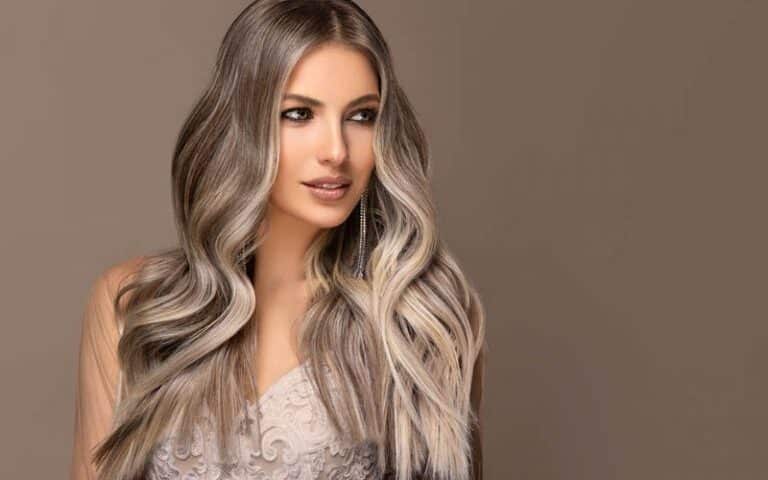
Effortlessly chic and endlessly customizable, ombré hair color remains one of the most requested transformations in high-end salons across New York City and beyond. The ombré look delivers that perfect balance of sophistication and edge.
Below, we’ll explore everything you need to know about the art and science of ombré hair color transformations: how it works, how it compares to other color techniques, and what’s trending now in the world of gradient color.
What Is Ombré Hair Color?
The term “ombré” comes from the French word ombrer, meaning “to shade.” In hair artistry, ombré describes a gradient color effect where hair transitions smoothly from a darker base at the roots to lighter ends. Unlike traditional highlights or foil techniques that distribute color evenly throughout, ombré focuses on vertical light diffusion – creating a stunning, natural fade that mimics the way sun exposure naturally lightens hair over time.
The hallmark of a professional ombré is seamless blending. There should be no harsh demarcation line where dark meets light. The goal is to create a sophisticated, soft transition, whether that means a subtle brunette-to-caramel fade or a dramatic black-to-platinum statement. The beauty of ombré lies in its versatility: it can be customized for any hair length, texture, or tone.
The Ombré Process: How It Works
Achieving a flawless ombré transformation takes both artistic vision and technical precision. Here’s a look at what typically happens during an ombré session in our salons:
- Consultation & Color Design: Every great ombré begins with a personalized consultation. Your stylist assesses your natural hair color, texture, and health to determine how best to achieve your desired gradient. Together, you’ll explore tones that complement your complexion and lifestyle.
- Sectioning & Lightening: Your stylist then sections the hair and applies lightener strategically to the mid-lengths and ends, feathering the color upward for a gradual transition. This feathering motion is key: it prevents harsh lines and ensures a diffused color melt. Depending on your hair’s current shade, this step may require multiple stages to maintain integrity and prevent over-processing.
- Toning & Glossing: Once the desired level of lift is achieved, a toner or gloss is applied to neutralize brassiness and perfect the final tone. This step defines whether your ombré reads as warm, cool, or neutral.
- Deep Conditioning & Styling: Finally, a professional conditioning treatment helps restore moisture and shine. Your stylist may also use glossing treatments that lock in color while boosting luminosity. The end result? Dimensional, radiant, runway-ready hair.
Ombré vs. Other Color Techniques
Ombré often gets grouped with balayage and other highlighting methods, but each has distinct characteristics. Understanding these differences helps you choose the best technique for your personal style.
- Ombré vs. Balayage: While both are freehand color techniques, the key difference lies in placement and contrast. Ombré creates a gradient effect – a dark-to-light fade that’s clearly defined from roots to ends. Balayage, on the other hand, involves painting highlights throughout the hair for a more scattered, sun-kissed look.
- Ombré vs. Sombre: “Sombre,” short for “soft ombré,” is the more subtle cousin of traditional ombré. The contrast between the root and the ends is gentler, often using tones that are just one or two shades apart. It’s perfect for clients who want low-maintenance luminosity.
- Ombré vs. Highlights: Traditional highlights use foils or meche to lift specific strands from root to tip, creating uniform brightness throughout. Ombré focuses on depth and dimension, leaving the roots untouched while progressively lightening toward the ends. This makes ombré lower maintenance – no harsh root grow-out lines to worry about.
- Ombré vs. Single-Process Color: Single-process color involves applying one shade from roots to ends for an even, all-over hue. It’s ideal for full gray coverage or dramatic tone shifts but lacks the dimensional contrast of ombré. Ombré, by comparison, creates visual depth and movement through light-to-dark transitions, offering a more lived-in and dynamic look.
- Ombré vs. Negative Space Hair Color: Negative space hair color plays with deliberate sections of untouched or minimally colored hair to create visual contrast and dimension. Unlike ombré’s smooth gradient, negative space color often features bold separation and visible interplay between light and dark areas. It’s more graphic and editorial, while ombré aims for a seamless, natural fade.
Why Clients Love Ombré
- Low Maintenance Luxury: Unlike traditional all-over color, ombré requires fewer touch-ups. Because the roots remain natural, regrowth blends seamlessly, making it ideal for those who still want a high-fashion finish without frequent salon visits.
- Endless Customization: Ombré works beautifully on all hair types. You can opt for subtle tonal differences or bold contrasts, natural shades or vivid fantasy colors. The gradient effect enhances movement, shine, and texture, making your hair look fuller and more dynamic.
- Seasonless Style: Ombré transcends seasonal color trends. Warm caramel tones are stunning in fall and winter, while soft blonde fades evoke beachy summer vibes. It’s a year-round style statement that adapts effortlessly to wardrobe and weather.
Ombré Color Ideas to Consider
When designing your ombré, tone selection is everything. Here are some trending ombré palettes our stylists are loving this season:
- Espresso to Caramel: A timeless favorite for brunettes. The transition from deep espresso roots to warm caramel ends creates a natural sunlit effect – perfect for adding richness and warmth without full-on blonde.
- Ash Brown to Platinum: For clients seeking a modern, editorial edge, this cool-toned gradient delivers striking sophistication. Think of it as the Manhattan skyline of hair color: sleek, architectural, and endlessly chic.
- Jet Black to Sapphire Blue: For those craving bold self-expression, jewel-toned ombré is in. A dark base melts into electric blue ends for a dramatic yet wearable color story. Add waves for extra dimension and movement.
- Chestnut to Rose Gold: Romantic and radiant, this combination offers warmth with a hint of whimsy. It’s particularly flattering on medium skin tones and pairs beautifully with soft, textured curls.
- Chocolate to Copper: For a luxurious take on red tones, blend deep chocolate roots with burnished copper ends. The result? A look that’s both fiery and refined – like molten metal in motion.
- Blonde to Icy Silver: Platinum lovers can elevate their look with a silver fade. This futuristic tone pairs best with sleek bobs or long, polished waves for maximum shine.
Caring for Your Ombré Hair
Maintaining that perfect color requires the right at-home care and salon upkeep. Here are our top professional tips:
- Use Color-Safe Shampoo & Conditioner: Choose sulfate-free formulas to preserve tone and prevent dryness. If your ombré includes blonde or silver hues, a purple or blue toning shampoo helps neutralize brassiness.
- Hydrate Regularly: Lightened ends are more porous, meaning they lose moisture faster. Weekly hydrating masks or leave-in conditioners keep your color glossy and soft.
- Heat Protection Is Non-Negotiable: Whether you’re using a flat iron, curling wand, or blow-dryer, always apply a thermal protectant spray. Heat can fade color prematurely and cause breakage.
- Gloss and Toner Refreshes: Schedule a salon gloss every 6–8 weeks to maintain shine and tone. Even if you’re not re-lightening your hair, a quick gloss keeps your ombré looking fresh and expensive.
Who Should Try Ombré?
Ombré is one of the most universally flattering color techniques available. It’s ideal for:
- Clients looking for a bold yet manageable change
- Anyone with medium to long hair who wants to enhance natural movement
- Professionals who prefer low-maintenance upkeep
- Creative individuals seeking dimension or color artistry without full commitment
Even clients with shorter bobs or pixie cuts can enjoy a subtle ombré effect by focusing lightness near the fringe or crown for added visual interest.
Final Thoughts: The Art of Effortless Transformation
Ombré captures movement, light, and individuality in a single look. At our luxury salons in Manhattan, Sag Harbor, and Greenwich, each ombré transformation is a bespoke creation, designed to complement your personality and enhance your natural beauty.
Ready to experience your own ombré transformation? Book a color consultation with one of our master stylists and discover the perfect gradient that speaks to you.